What Happens to Your Body When You Drink Water
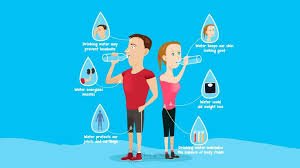
What Happens to Your Body When You Drink Water
Water is essential for life, yet many people often overlook just how important it is to our overall health. The human body is made up of about 60% water, and water plays a vital role in numerous physiological functions. From aiding digestion to regulating body temperature, drinking water has a profound effect on our body. Here’s a breakdown of what happens to your body when you drink water and why staying hydrated is crucial for maintaining good health.
1. Immediate Absorption into the Bloodstream
When you drink water, it enters your stomach and is absorbed into the bloodstream almost immediately. Unlike food, which requires extensive digestion, water moves quickly from the stomach into the small intestine, where it is absorbed into the blood. The body uses this water to hydrate cells, tissues, and organs. Within minutes, water begins circulating throughout the body, replenishing cells and helping maintain the balance of fluids.
2. Hydration of Cells and Organs
Once absorbed into the bloodstream, water is transported to every cell in the body. The hydration process is crucial because water is the primary medium in which biochemical reactions occur. It helps transport nutrients and oxygen to cells and aids in removing waste products like carbon dioxide and toxins from the body. Proper hydration supports the health of organs such as the kidneys, liver, and skin. It also helps muscles function more efficiently, reducing fatigue and improving performance.
3. Regulation of Body Temperature
One of the key functions of water in the body is the regulation of body temperature. When you drink water, it helps maintain homeostasis, which is the body's internal balance. Water is a great temperature regulator because of its high heat capacity, meaning it can absorb a lot of heat before it starts to get hot itself. This is why when you sweat, the water evaporates off your skin, cooling your body down. Staying hydrated ensures your body can properly regulate its temperature, especially during exercise or in hot weather.
4. Aiding Digestion and Nutrient Absorption
Water plays an essential role in digestion. It helps dissolve fats and soluble fibers, allowing them to pass through the digestive system more easily. Drinking water before, during, and after meals aids in the breakdown of food and facilitates the absorption of nutrients. Water also prevents constipation by softening stools and promoting regular bowel movements. Without adequate water intake, the digestive system can become sluggish, leading to issues such as indigestion, constipation, or bloating.
5. Detoxification Through the Kidneys
The kidneys are responsible for filtering waste and excess substances from the blood to create urine. Adequate water intake helps the kidneys flush out toxins and maintain a healthy fluid balance. When you drink enough water, it helps dilute the waste products in the urine, which prevents kidney stones and urinary tract infections (UTIs). Drinking water also supports the body’s natural detoxification processes by promoting efficient circulation and waste elimination.
6. Improved Skin Health
Drinking water has a significant impact on the appearance and health of your skin. Well-hydrated skin looks more radiant, plump, and smooth. Water helps moisturize the skin from the inside out by ensuring that the cells receive the nutrients they need. It also helps flush out toxins that can lead to acne and other skin issues. Dehydrated skin, on the other hand, can appear dry, flaky, and more prone to wrinkles.
7. Boosting Energy and Mental Clarity
Drinking water can help improve your mental and physical performance. Dehydration can lead to fatigue, difficulty concentrating, and even headaches. When you drink water, it boosts your energy levels and supports cognitive functions such as memory, focus, and clarity. Staying hydrated also promotes the production of neurotransmitters, which are chemicals that help transmit signals in the brain, allowing for better communication between nerve cells.