"The Truth About Your Favorite Superfoods"
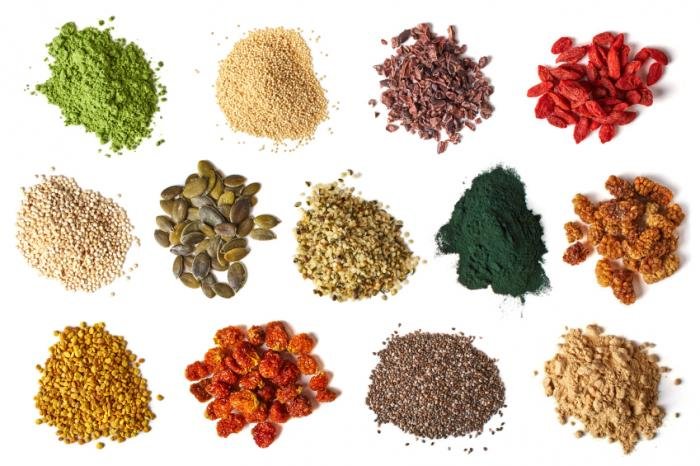
The Truth About Your Favorite Superfoods
Superfoods are often hailed as miracle foods, packed with nutrients and health benefits that can help prevent disease and promote overall well-being. From acai berries to kale, these foods have garnered significant attention in the health and wellness world, making their way into smoothies, salads, and supplements. However, the term "superfood" can be misleading, as it often implies that these foods possess extraordinary powers. While superfoods can be part of a healthy diet, it’s important to understand what they really offer and how they fit into an overall balanced approach to nutrition.
1. Acai Berries: Not a Magic Bullet for Weight Loss
Acai berries, which come from the acai palm tree native to Central and South America, are often touted as powerful antioxidants that can promote weight loss and improve skin health. Acai is rich in anthocyanins, the antioxidants that give it its deep purple color. These antioxidants are believed to combat oxidative stress and inflammation, which could potentially reduce the risk of chronic diseases. However, while acai berries do provide beneficial nutrients, they are not a magical weight-loss solution. The health benefits of acai are often exaggerated, and the berry's potency can diminish when it's processed and added to sugary bowls or drinks, which are commonly sold as "superfood" options.
2. Kale: A Nutrient-Packed Vegetable with Limits
Kale has long been considered a “superfood” due to its impressive nutritional profile. Packed with vitamins A, C, and K, as well as calcium, iron, and fiber, kale is an excellent addition to a healthy diet. It is particularly praised for its high levels of antioxidants, which can help protect cells from damage. However, while kale is a nutritious vegetable, it is not necessarily the ultimate health food. Eating kale in large quantities, especially raw, can interfere with thyroid function due to its goitrogenic properties, which can affect iodine absorption. Additionally, kale’s benefits should not overshadow other vegetables like spinach, broccoli, or bok choy, which also offer a wealth of nutrients.
3. Chia Seeds: Small But Mighty (Within Limits)
Chia seeds are often lauded for their ability to provide a wealth of omega-3 fatty acids, fiber, and protein. These tiny seeds can absorb liquid and form a gel-like consistency, making them a popular ingredient in puddings and smoothies. Chia seeds are indeed a good source of plant-based omega-3s and can contribute to heart health, digestive health, and weight management. However, while chia seeds are a nutritious addition to your diet, their benefits are not limitless. They are high in fiber, which can cause digestive discomfort if consumed in excess, especially for people who are not used to high-fiber diets. Like all foods, moderation is key.
4. Goji Berries: A Nutrient-Rich Antioxidant
Goji berries are frequently cited as a superfood due to their high antioxidant content, particularly vitamin C and beta-carotene. These nutrients are essential for boosting the immune system and protecting against inflammation. Goji berries are also rich in amino acids and trace minerals like zinc and iron, which are important for overall health. However, goji berries are often marketed in dried form, which can contain added sugars and preservatives that diminish their nutritional value. Moreover, while goji berries can be a healthy part of your diet, they are not a substitute for a well-rounded nutrient intake that includes a variety of fruits, vegetables, and whole grains.
5. Almonds: A Healthy Snack in Moderation
Almonds are often celebrated for their healthy fat content, particularly monounsaturated fats, which can help improve heart health by lowering bad cholesterol levels. They are also rich in protein, fiber, vitamin E, and magnesium, which contribute to overall health. While almonds are a nutritious snack, they are calorie-dense, and consuming them in large quantities can contribute to weight gain if not balanced with other foods. Furthermore, the health benefits of almonds are best realized when they are part of a balanced diet that includes a variety of other nuts, seeds, and plant-based sources of fats.